Bali offers an incredible variety of landscapes within a relatively small island. From white-sand beaches and dramatic cliffside coastlines in the south to lush rice terraces, jungles, and river valleys in the interior, each region has its own distinct character. The north reveals a quieter side of Bali, with volcanic mountains, waterfalls, and black-sand shores. This diversity of scenery is one of the island’s greatest strengths, allowing residents and visitors to experience surf, culture, nature, and mountain air all within a short drive.
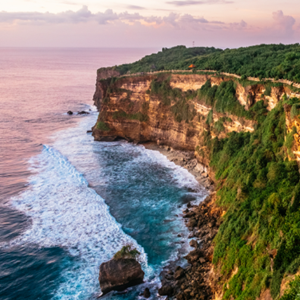
With dramatic ocean cliffs and world-class surf breaks, Uluwatu attracts buyers looking for luxury villas, sunset views, and a laid-back but upscale coastal lifestyle.
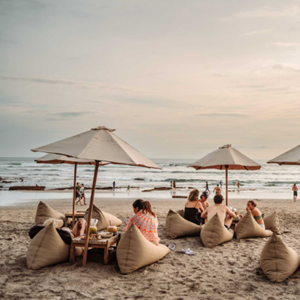
A lively mix of beach clubs, cafés, and co-working spaces, Canggu is popular with digital nomads and young travelers, making it a strong choice for high-occupancy rental properties.
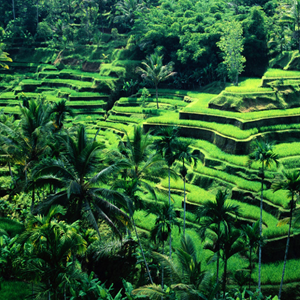
Surrounded by rice terraces, jungle, and cultural landmarks, Ubud offers a peaceful setting that appeals to wellness travelers, artists, and long-stay visitors seeking a slower pace of life.
North Bali contains many different regions. Quieter and more untouched, and featuring volcanic mountains, waterfalls, and black-sand beaches, ideal for buyers looking for space, privacy, and long-term growth potential.

Property growth in Bali tends to follow a predictable pattern that repeats across different regions. Areas like Kuta, Seminyak, and Canggu all went through similar stages, starting as quiet coastal villages and eventually becoming high-value destinations. This progression is influenced by tourism demand, access to surf, development regulations such as the “Coconut Tree Law,” and the natural appeal of each location. Investors who buy land at the start of this process usually enter at much lower prices and benefit as the area gains popularity.
The cycle typically begins with minor infrastructure upgrades and a handful of boutique projects. As word spreads, more visitors arrive and small businesses follow. Around the midpoint of the cycle, larger developments such as hotels, branded villas, and residential compounds start to appear, triggering a sharp rise in land values. In the final phase, the area becomes well established, with steady occupancy, recognizable brands, and more stable pricing. At that stage, early investors often look for the next undeveloped location, and the pattern repeats, pushing Bali’s growth further along the coast.